


Monday, December 5, 2022 at 2:12 PM

Good Energy’s head has warned Ofgem that its series of reforms to energy could make it difficult for new ideas to enter the market and improve outcomes for customers.
Chief Executive Nigel Pocklington was concerned that the watchdog was “overcompensating” for heavy criticisms from charities like Citizens advice And the Parliamentary committeesIts handling of the energy crisis that saw 30 suppliers collapse over the past 18 months.
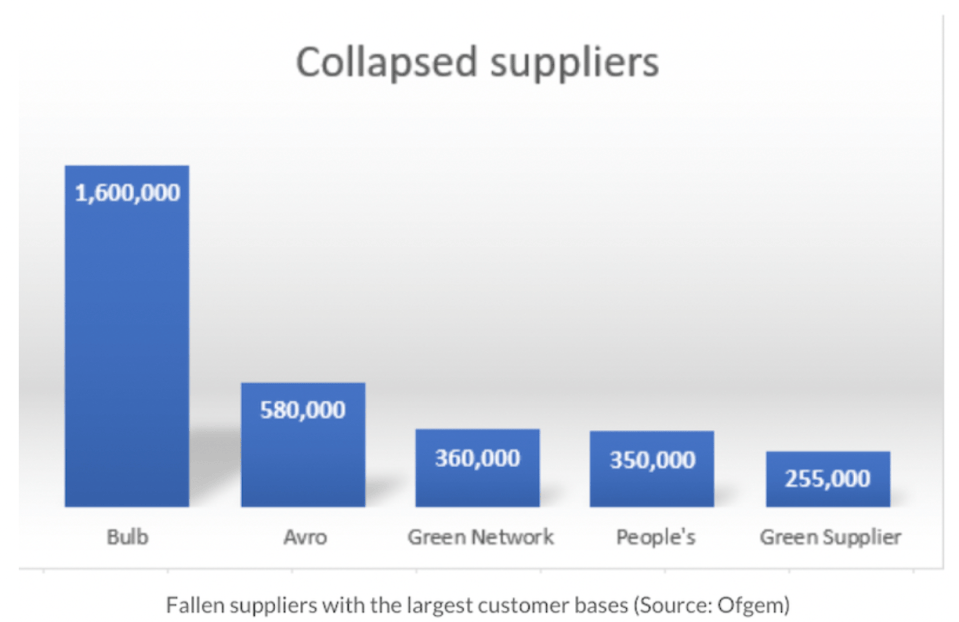
This includes the collapse of Bulb Energy in de facto nationalization for more than a year, which the Office for Budget Responsibility calculated at £6.5 billion – the largest government bailout since the Royal Bank of Scotland in 2008.
Tell am city“There is a real chance that we are doing things that make the energy supply market oligopoly again, which is bad news for customers and bad for innovation.”
Pocklington claimed that Ofgem was “trying” to show it was a tough regulator, but it was making headlines by not properly engaging.
This will make it more difficult for specialist suppliers offer customers unique offerings.
In particular, the energy chief criticised Ofgem’s latest compliance report on energy sector. The watchdog revealed that Good Energy and four other companies had “serious deficiencies” in their handling of vulnerable customers.
Pocklington questioned Ofgem’s ruling, and criticized Ofgem for its handling of reviews in the energy market.
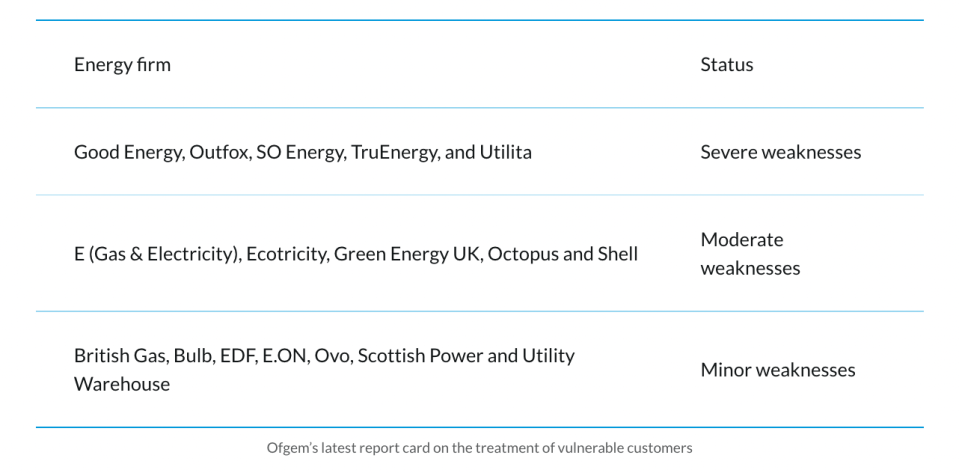
He criticised the review process for being “difficult” to follow, and felt it was beneficial for larger companies with large compliance departments who have staff who have worked for Ofgem and can “understand the language of reviews.”
This means they can “specify” what is required, even if the actual results for clients are “not very good”.
He said: “We have always been very focused on results and clearly have to improve our documentation, which is what these reviews are calling for. We have never been called out for a bad result.”
Pocklington also felt Ofgem had “rushed into being made public”, something he described as “unfortunate”.
He explained that Ofgem could be trying to show public that it is active regulator. However, it is not doing anything but favoring large suppliers with large compliance and regulatory teams and a revolving gate between them all and Ofgem.
Bill Bullen, the boss of Utilita, has also criticised Ofgem’s market review after they were heavily criticized by this watchdog.
Tell am city Last week, it was feared the market was consolidating around established players who were benefiting From Ofgem’s Reforms.
Ofgem has not been without Good Energy for a while.
This grim report card comes on the heels of a previous review this summer, in which Good Energy was found to have “moderate-severe” vulnerabilities in customer payments.
And Good Energy last month agreed to reinstate owners of renewable generators worth more than £450,000 after charging them an unauthorized management fee.
Ofgem was reached for comment.
Ofgem is trying to clean up energy market
Ofgem has unveiled multiple reforms in the wake of the energy crisis, with households and businesses facing record energy bills this winter averaging £2,500 a year – despite massive subsidies included in support packages.
These include quarterly price caps; fair and reasonable persons rules; financial stress tests; and temporary market stability fees to stop the company being penalized for hedging.
More recently, it announced capital adequacy requirements and rules imposing restrictions on payments for renewable obligations — though it didn’t meet the requirements for determining customer credit balances.
Pocklington voted for these rules in large numbers, especially because the focus was shifting from unrealistic price competition that was underpinned only by poor hedging strategies.
He said: “I think it’s perfectly legitimate for a regulator to be very strong in terms of hedging requirements, especially hedging, relative to the size of your business because the thing that went wrong with Bulb is that it got too big too quickly.
Pocklington was a proponent of an energy market that focuses on proposing a company to be an energy source and efficiency.
He stressed that this should not stop new and innovative ideas from arising.
With Octopus poised for Bulb’s takeover, the UK is well on its way to another Big Six and a 90 percent share of the global energy market.
Meanwhile, rival suppliers are struggling again, with So Energy seeking to secure £50m in funding before winter.
Good Energy is currently trying to shift its focus from green energy to an environment-friendly lifestyle it wants its customers adopt.
The company pioneered and developed the concept known as feed-in tariff. Customers buy power from small, licensed suppliers that connect to the grid their own renewable energy sources.
These customers make up approximately two-thirds the 276,000 customer base.
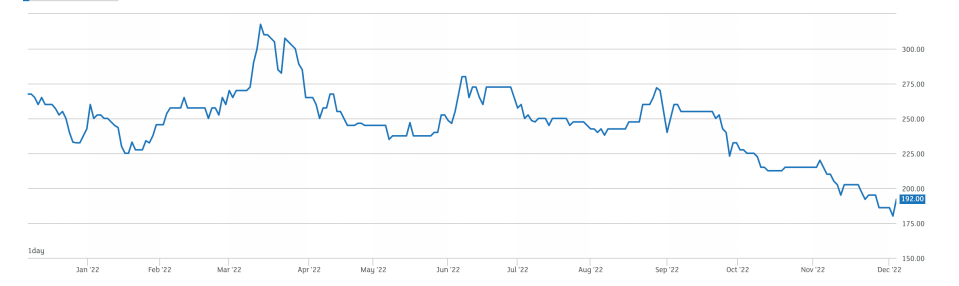
Good Energy is looking to support future-facing technologies like heat pumps and electric cars, as the cost of green electricity continues to fall.
earlier today, FTSE AIM All-Share Company Announced it has cut off turnkey heat pump business Igloo Works in a £1.75m deal.
It has also continued to invest in smartphone EV service Zap Map, backing up its £9m funding with Fleetcor earlier this year with a £1m commitment.
Commenting on the future, Pocklington said: “We see the future for Good Energy as a provider of energy services to help people go green themselves. We believe these markets offer our shareholders growth and, in the long term, more attractive economic characteristics than our core supply business does.”
Source link
[Denial of responsibility! wideworldmag.co.uk is an automatic aggregator of the all world’s media. In each content, the hyperlink to the primary source is specified. All trademarks belong to their rightful owners, all materials to their authors. If you are the owner of the content and do not want us to publish your materials, please contact us by email – at wideworldmag.co.uk The content will be deleted within 24 hours.]
