

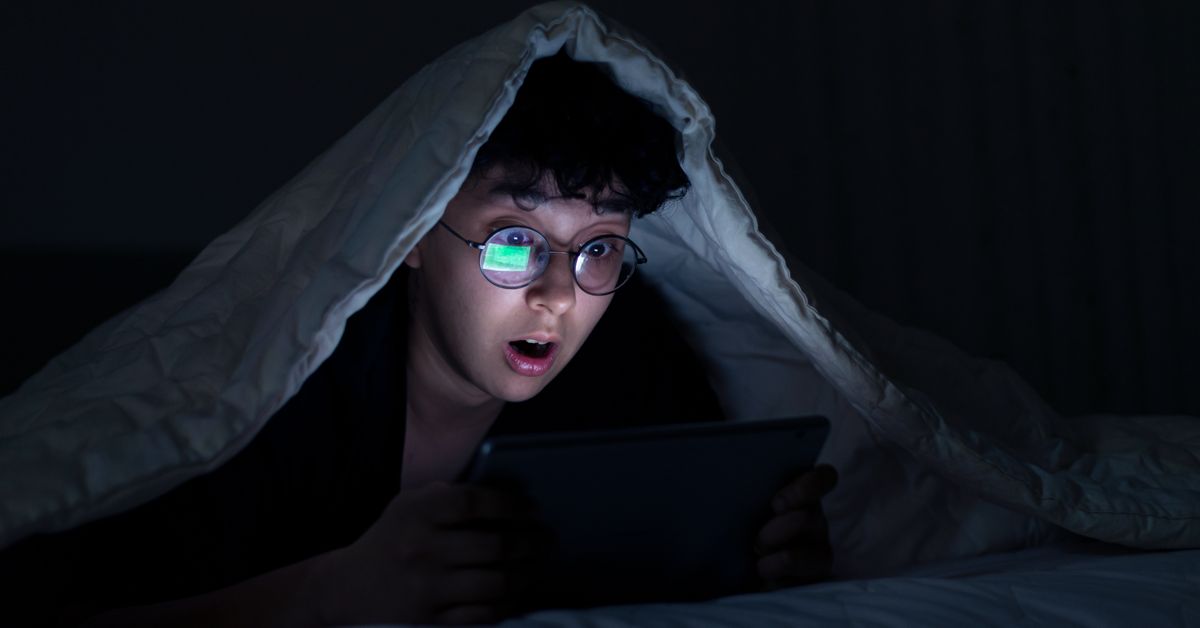
Many parentsToday teensTeens had reached adulthood in the predigital age, when porn was sold in sleazy shops or magazines were stuffed under mattresses. These images have only been available in small portions, and we are not able to access them all.
Children are always curious sexThey sought out information from sources that they did not know were available. The sheer volume and accessibility of information available to today’s youth has never been seen before. Even if they don’t search for it, most children will eventually discover porn.
HuffPost was told by James Steyer (founder and CEO of Common Sense Media) that this is an unusual issue facing young people today.
“The vast majority of tweens and teens are exposed to pornography regularly and early in their lives. It is common to see children as young as 9-10 years old who use it daily. They access it at school,” says Steyer.
Common Sense Media is an organization that reviews media and offers guidance to parents. They have released it new dataThe message is clear about children’s accessing pornography. Parents should not ignore it. To be proactive, we need to get started early.
What age are children allowed to see porn?
A Common Sense survey of 1,348 children aged 13-17 found that 73% saw pornography between 17 and 17. 54% reported seeing it at 13 while 54% reported seeing it at 13. 15% said they saw it by 10.
The average age at the which a child first saw pornography is 12 – 58% said they viewed it accidentally, while 44% admitted to trying to view it.
Cisgender boys were more likely access pornography than cisgender women, as was children identified as being cisgender. LGBTQ+.
It is possible that LGBTQ+ youth sometimes used pornography to explore their identities, as they were also more likely to report using pornography “to find out what turns them on and off.”
Kids were split on how realistic porn is to real life, with 45% saying porn gives them “useful” information about sex – although only 27% agreed that porn “accurately shows the way most people have sex.”
Violence, non-consent, and gender and racial stereotypes in pornography are major concerns – 52% of children who watched porn said they saw “what appeared to be rape, strangulation, or someone in pain.” Only 33% reported seeing someone ask for their consent before sex, and worryingly, 21% of 16-17 year olds who viewed porn agreed that “most people like to be spanked during sex.”
Particularly for young viewers, pornography “can include models and behaviors that are truly objectionable,” Steyer says.
There is more to gender bias than just gender: 25% of black respondents felt “disgusted,” while 21% of blacks felt “self conscious” about the way porn depicts people who look similar to them.
Obviously, if we don’t step in and start having these conversations with our kids, porn will answer their questions for them — and it simply isn’t up to the job.
Although it may seem tempting to tell children not to watch pornography online, this ignores the fact that they will come across it at some point. Even if they feel aroused, telling them porn is a bad idea may make them feel guilty.
How can parents be consistent while teaching their children that porn is not the best way to teach healthy sexual relationships?
These conversations can be started early
You should bring up the topic if your children use electronic devices without adult supervision.
“With young children, you don’t need to use the word ‘porn.’ You can simply say, ‘You need to tell me if you see pictures or videos of naked people on your screen,’” sex educator Elaine Fredericks, author Good Sexual Citizenship: How to Create a Safer (Sexual) World, says HuffPost.
Children should know that you are aware that they may be exposed to these images accidentally, that they won’t be in trouble, and that they can always come to you if that happens.
Parenting Coach and Child Psychologist Ann Louise Lockhart He told HuffPost that any of the following milestones provide parents with an opportunity to talk about sex and/or porn: “Going to camp, first sleepover, getting a phone/computer, and accessing the internet.”
Fredericks explains that with older children, “you can go into more detail and make it clear that any time they encounter a website that requires them to be 18, it is likely to be pornographic content and that porn is typically a depiction of people having sex with a person.” else, or depictions of a naked person whose main function is to excite someone rather than educate them.”
Use parental controls but don’t rely solely on them to protect your kids from exposure
Do not mistakenly think that your job is done once you have set parental controls. It is possible for children to be exposed to pornographic material on social media, in emails, and while surfing the Internet. Children may also be exposed via a friend’s device to pornography. We know that children have reported accessing pornographic content on their school devices. However, there is no way to ensure that they are safe online.
Assume that your children will eventually see something you don’t want. Prepare them for this moment.
Keep it short and direct
Lockhart suggests that a conversation could start with a simple message: ‘There are many pictures, videos.’ You might see photos and videos of sex, or people having sex. You may feel curious or uncomfortable. You can always reach me if you feel this way.
Your child might feel the same anxiety that you feel when you bring the topic up. However, even if your child doesn’t have much else to add, let them know that you are available to answer any questions they may have.
Encourage them to be a bit critical
As with all media, including movies and shows you might choose to watch together. Teach your children to be aware of dangerous racial and gender stereotypes.
You might ask an older teen, “What audience do you think most porn is made for? How do you think this affects the type of porn that is made?” Friedrich suggests.
She says that when discussing any movie or TV show depicting sexuality, you can ask her, “Do you think all genders are held to equal standards of attractiveness?” What is the difference?
and, “Do you think there are double standards about gender that affect people of both sexes differently?”
You can also ask your partner for consent.
Don’t judge me
Children should be aware that porn sites are only available to those over 18 years old. However, don’t be shocked or alarmed if they confess they have seen porn. It’s normal for children to be exposed to porn and to search for information.
It doesn’t matter if they were unaware or not, you don’t want them to be embarrassed by seeing the photos or getting excited about them. If they can sense your judgement, they will be less likely come to you with future questions or concerns.
Explain that porno is neither realistic nor educative
Let children know that what they see online (as well as many photos and videos) is not a true representation of real life. Pornography is intended to entertain, not to educate. Encourage them to ask questions of you or another trusted adult.
“I think one of the best ways to counter some of porn’s troubling effects is through comprehensive sex education at home and in schools, and emphasizing that while there is nothing wrong with being interested in sex and what it looks like, porn is not sex education,” says Friedrich .
The following websites might be helpful for you if your children need help with sex: Planned ParenthoodAnd amazingAnd Sex positive familiesAnd pflag.
This conversation will not be a one-off. It will be a series of conversations.
Lockhart says that “sex” should be discussed early and often as your child grows up and becomes more aware of others.
It is more likely that you and your child will have a series of shorter conversations, which is more productive and less challenging. Instead of having your child talk about pornography and then move on to the next thing, you can think of these conversations like sowing different seeds: approval and respect, as well as realistic expectations.
These topics will be a great topic to revisit over time, answering any new questions and directing your child to trusted resources.
Source link
[Denial of responsibility! wideworldmag.co.uk is an automatic aggregator of the all world’s media. In each content, the hyperlink to the primary source is specified. All trademarks belong to their rightful owners, all materials to their authors. If you are the owner of the content and do not want us to publish your materials, please contact us by email – at wideworldmag.co.uk The content will be deleted within 24 hours.]
