

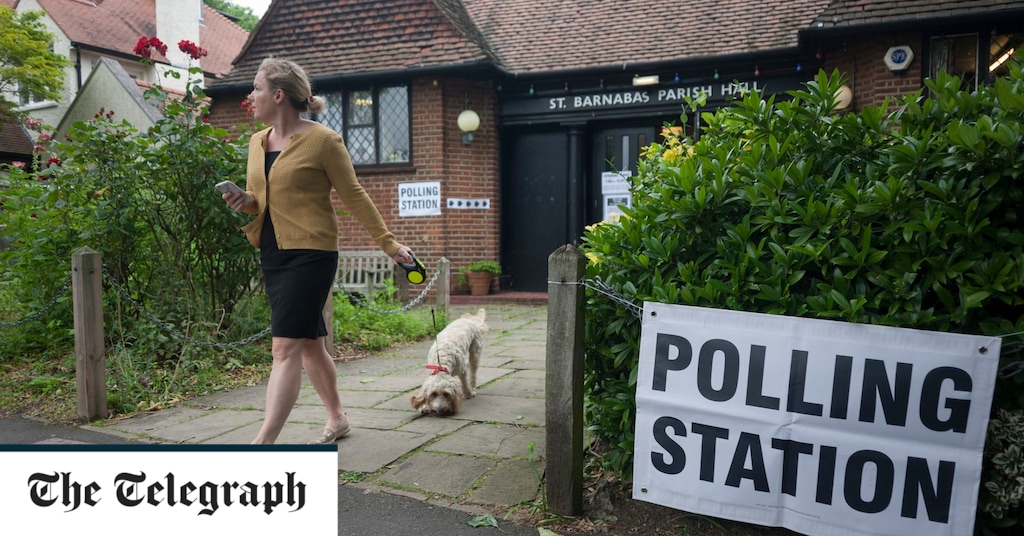

The Fawcett Society’s study found that female voters would like to be able to see what their male counterparts were earning.
The charity found that 71% of red wall district women voters voted for parties that had enacted a policy that allowed women to see the salaries of men in their workplaces. They can also challenge wage differences.
Survation, a charity, commissioned Survation poll women voters in red walls districts to find out how policies aimed at addressing gender pay gaps will affect their votes in next year’s general election. Survation found more than six in ten (64%) said they would also be more inclined to vote. Willing to vote in a party that requires racial pay gap reporting.
Most women prefer to be able to remove salary history questions from interviews
A majority of women would like to see salary history questions eliminated from hiring processes. In fact, 62 percent said they would support any party that attempted to prohibit it. According to The Fawcett Association questions about salary history could indicate that women and ethnic minority workers are receiving lower salaries from one job to the next.
Over a third of respondents – 36 per cent – said they would like to work longer hours but were prevented by a lack flexibility (33%), caring responsibilities (23%), and affordability (23%)
Red Wall voters voted for the party when it came time to vote at the poll box. They polled over 1,000 people from seats that went from Labor to Conservatives in 2019, and found that tackling discrimination in pay was their top priority.
It “shows very clearly that women have been affected,” said Jemima Oloczawski, chief executive at the women’s charity. The cost of living crisis.
She stated that “Tackling gender inequalities must be central to our economies.” “Not doing so is missing a political hoax, as it would lose those key red wall voters.”
She said that the Red Wall’s female voters would overthrow the political parties. Attitudes on affordable child careTake this into consideration when voting.
“It’s often difficult for people to get access to child care. Cost is also a major issue. We have some the most expensive child care anywhere in the world. Right now, we don’t see the scale of the response to that that would show an awareness of the importance of that.”
She stated that the fall statement did not include affordable child care, which she said was a missed opportunity. [childcare] Too expensive for many countries and it pushes women out of the job market.”
The survey revealed that 75% of respondents thought parties’ positions on affordable childcare would matter to them when voting.
Source link
[Denial of responsibility! wideworldmag.co.uk is an automatic aggregator of the all world’s media. In each content, the hyperlink to the primary source is specified. All trademarks belong to their rightful owners, all materials to their authors. If you are the owner of the content and do not want us to publish your materials, please contact us by email – at wideworldmag.co.uk The content will be deleted within 24 hours.]
