

Fri, Dec 30, 2022 5:06 PM

European stocks saw their worst year in four years, driven by investors worried about high inflation, rising interest rate and the possibility of a severe economic recession.
The pan-European Stoxx 600 index, which is the sum of all European indices ended 2022 down around 13 percent. This is its largest annual drop since 2018, when it dropped just over 13 percent.
Some of the continent’s most important indices saw double-digit drops this year.
The German DAX index plunged more than 12 per cent, while the French CAC 40 index suffered a more severe decline of more than 9.5 per cent.
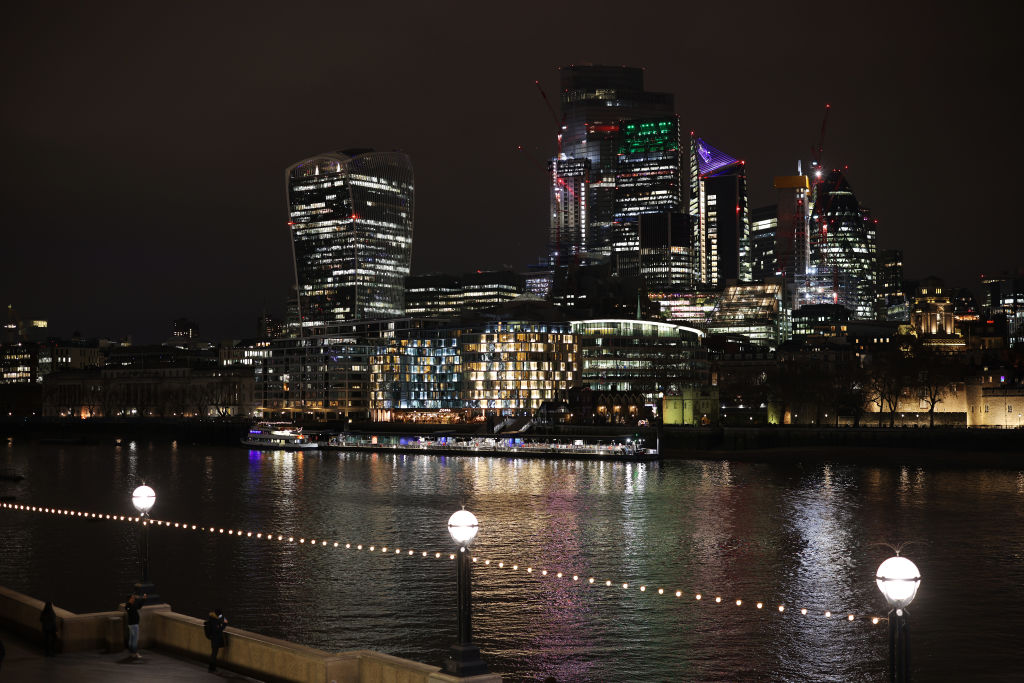
London’s FTSE 100 has outperformed its global counterparts this year, and it is one of few major indices that, when converted into local currency, ended 2022 in green, close to one percent.
Wall Street’s major indexes, Dow Jones, S&P 500 and Nasdaq have lost about a fifth this year. The S&P has had its worst year in a decade since the financial crisis.
FTSE 100 ended 2022 (approx)

The capital is home of many of the world’s biggest energy producers. These producers have benefited greatly from the rise in demand for oil, gas and other commodities since the invasion by Russia in Ukraine.
BP and Shell, oil majors, added more than a quarter of a percent to the FTSE 100 index in 2022.
The FTSE 100 index has been pushed by mining companies like Rio Tinto and Glencore. The former is up by more than 40%.
The FTSE 100 closed down 0.81 per cent in the city’s final trading day. The day before New Year’s Eve is shortened.
Investors around world were worried when the US, UK, and Europe saw strong inflation. This forced central banks to increase interest rates aggressively.
Prices jumped 11.1 percent in BritainThis was the fastest acceleration in 41 year, while similar milestones were achieved in the eurozone and across the pond.
The US Federal Reserve is the world’s most influential central monetary authority. It raised interest rates at the fastest rate since the 1980s, putting downward pressure upon stocks around the globe.
Higher interest rates can have a negative effect on stocks as they make fixed-income assets such as bonds more attractive. This can also reduce the future value of companies by increasing their discount rate.
The European Central Bank also announced its first rate increase since 2011. Christine Lagarde, the bank president, told investors that they can expect big increases in 2023.
Source link
[Denial of responsibility! wideworldmag.co.uk is an automatic aggregator of the all world’s media. In each content, the hyperlink to the primary source is specified. All trademarks belong to their rightful owners, all materials to their authors. If you are the owner of the content and do not want us to publish your materials, please contact us by email – at wideworldmag.co.uk The content will be deleted within 24 hours.]
