
Saturday night at midnight, Croatia changed to the euro and removed dozens more border checkpoints in order to join the largest passport-free zone in the world.
It was a fresh start in the tiny Balkan nation with 4 million inhabitants. It was the site of a brutal civil war that decimated nearly a quarter its economy.
Croats can now roam Europe’s 27 member states freely without having to obtain a passport, thanks to their membership in Europe’s identity-free Schengen region.
Croatia would benefit from the deeper financial relationships it has with 19 other euro users. European Central Bank. It will also make travel and business easier by removing the need to exchange currency for Croats who travel abroad, as well as for the thousands of tourists who visit their countries every year to experience the beautiful Adriatic coast.
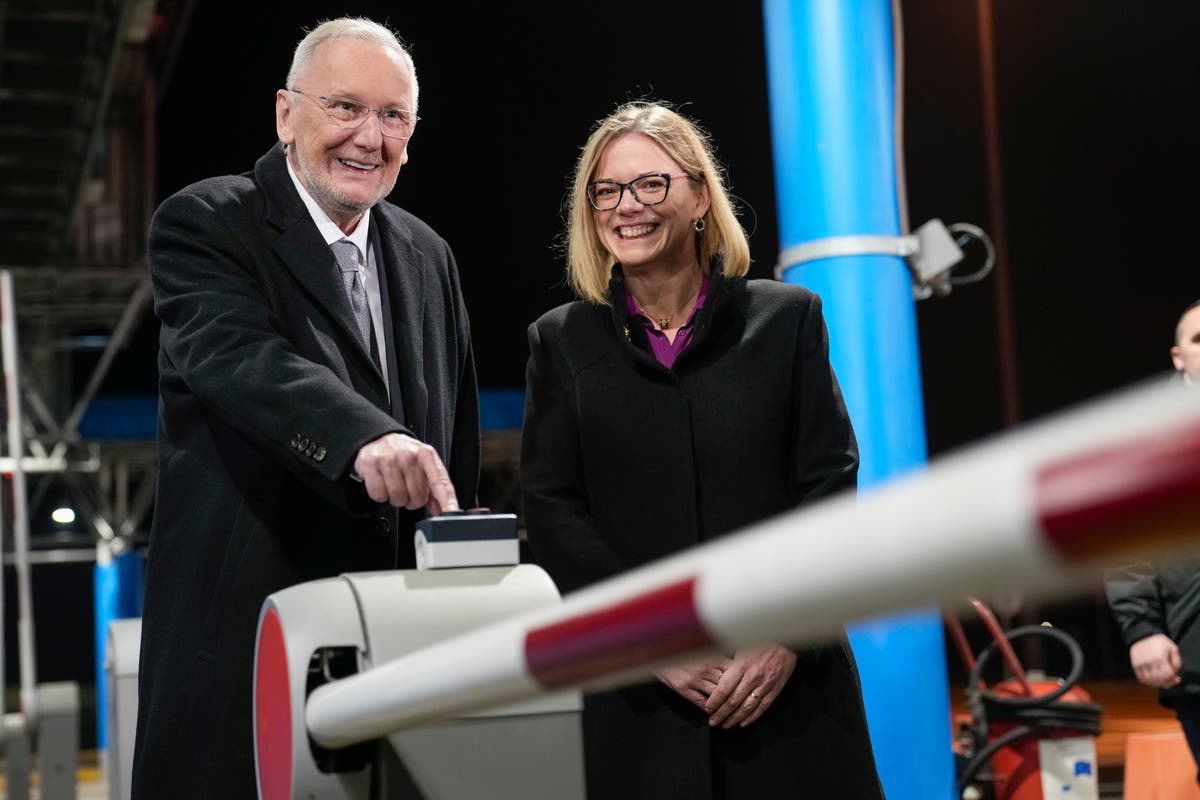
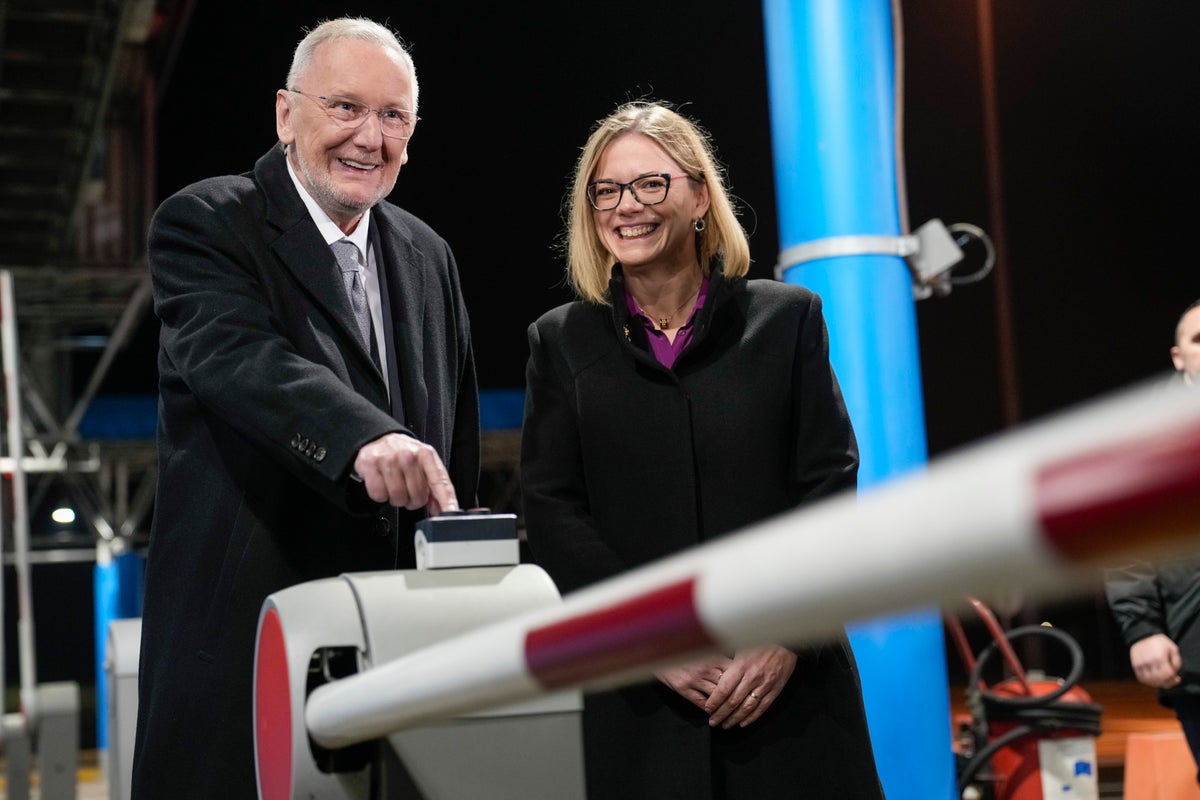
As revelers across Croatia take to the streets to celebrate the New Year, the country’s interior minister, Davor Bozinović, was at the Bregana border crossing with SloveniaI wish all the last travelers good luck as they check their passports.
Slovenia has been a member since 2007 of the Schengen Area. Since 2007, it is required to protect its exterior borders.
Croatia will now take over and continue to enforce strict border controls at its eastern border with non-EU neighbors, Bosnia, Serbia, and Montenegro.
“We have opened our doors to a Europe without borders. This goes beyond the removal of border controls, it is the ultimate affirmation of our European identity,” Bozinovic said after watching the ramps at the Bregana border crossing being raised for the last time, accompanied by his Slovenian counterpart Sanja Ajanović-Hovnik.
Stipeka, a 72-year old professional driver, felt the same sentiment. He stated that the freedom to move without having to wait at border crossings was his personal dream. This is why he drove 20 kilometers (12.4 mile) to Bregana in order to see it come true.
“I have spent years of my life waiting at border checkpoints, so I came here tonight to witness this moment, the moment after which I will not wait any longer,” he said.
Just after midnight, Croatia’s finance minister, and central bank governor, headed to an automated machine in the capital. ZagrebTo withdraw euro banknotes and to symbolically refer the old Croatian national currency, The Kuna, into history.
Croatia joined the European Union as a member in 2013. However, in order to adopt the euro, the country needed to meet strict economic conditions. This included having a stable currency, inflation control, sound public spending, and a stable exchange rate.
The HRK and EUR can be used to pay cash for 14 days. However, people who are not holiday shopping in January will only be able receive EUR in exchange.
Many Croats saw the New Year’s Eve developments in their country as evidence of their country’s 31-year journey into Europe. This was 31 years after the country fought a war against Serb-held Yugoslavia. In which 20,000 people were killed, and hundreds of thousands were displaced.
Zlatko Leko, a Split resident and dreamer, said that “we used to dream about it” and was glad they were able to witness it happen. “I hope this means we are finally a part of Europe.”
Elenmari Pletikos Solon said in Zagreb that “we were already part Europe, but dismantling our borders and switching to euro is the final confirmation we are fully integrated” with EU.
“I am really happy. It will make many things in our life much easier.”
Source link
[Denial of responsibility! wideworldmag.co.uk is an automatic aggregator of the all world’s media. In each content, the hyperlink to the primary source is specified. All trademarks belong to their rightful owners, all materials to their authors. If you are the owner of the content and do not want us to publish your materials, please contact us by email – at wideworldmag.co.uk The content will be deleted within 24 hours.]
