

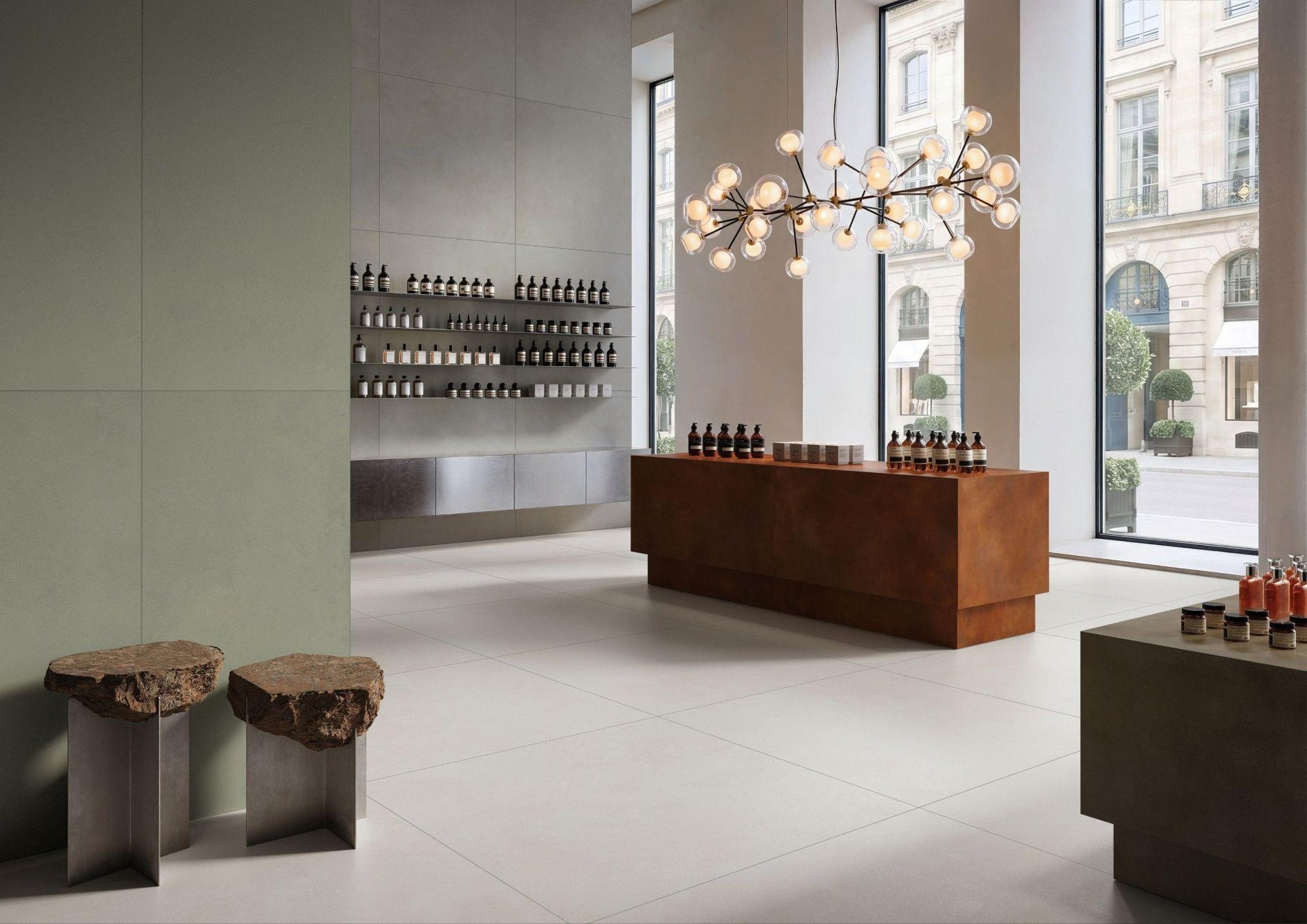
VitrA Tiles drew on its Material Intelligence approach at Cersaie 2026 to present its concept, The Code, together with new innovations, to industry professionals.
Bologna, Italy. Among the exhibitors at Cersaie 2026, the international fair for bathroom furnishings and ceramic tile staged in Bologna, Italy between 21 and 25 September, was VitrA Tiles, which welcomed designers, architects, customers and specialists from throughout the sector. Built around the Material Intelligence concept, its stand revealed collections and innovations for 2027.
“Every material has a code. Material Intelligence deciphers it.” That principle underpins the design approach of VitrA Tiles, which reinterprets natural materials by drawing together research, cutting-edge technology and design expertise. Building upon the aesthetic and technical promise of nature, the company shapes them into original surfaces that offer contemporary architecture new inspiration.
Three Distinct Languages of Design
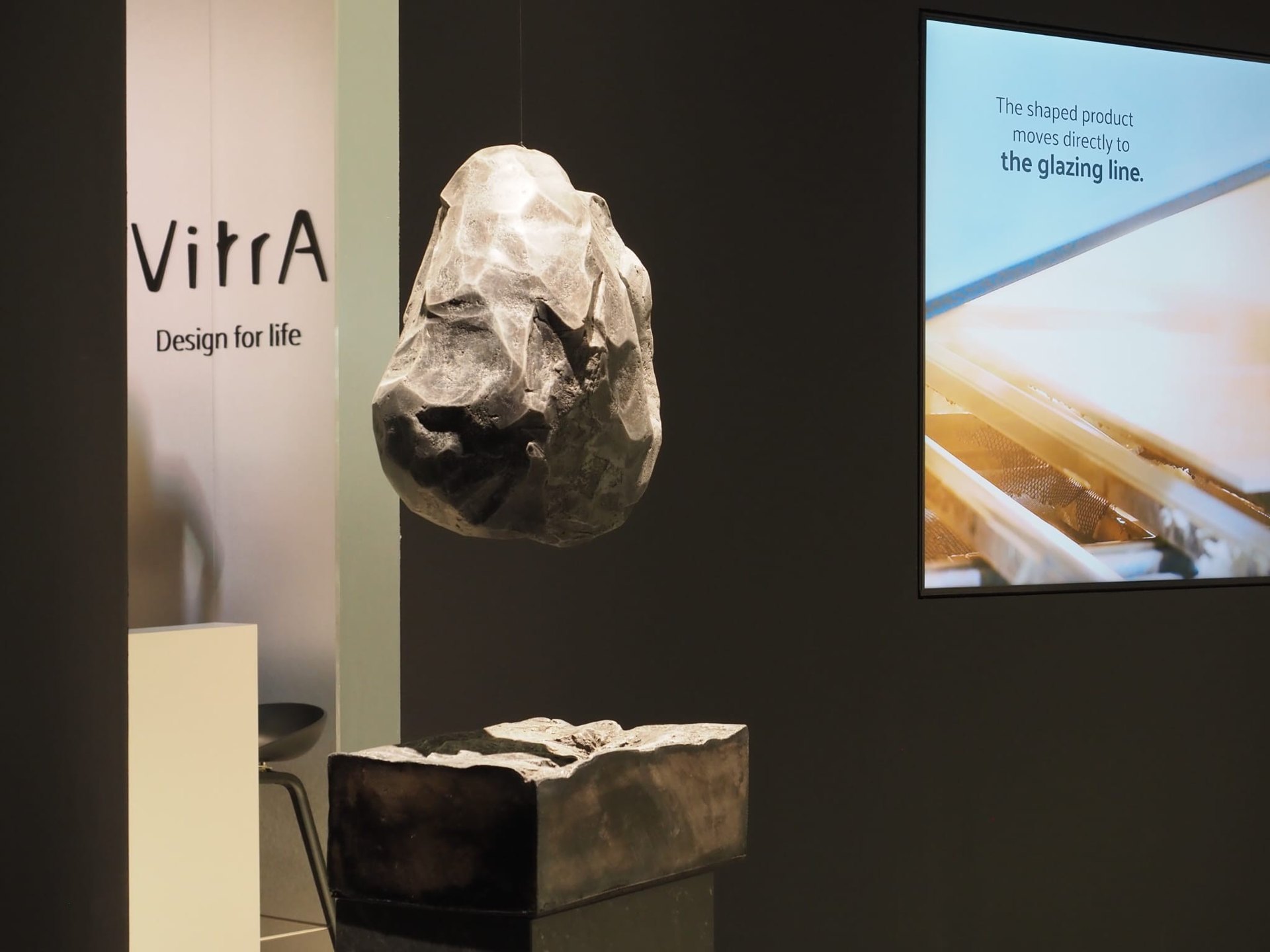
The Code concept expresses three design languages, which give shape to three collections, Resincode, Geocode and Metacode, all on show to Cersaie visitors at the booth of VitrA Tiles.
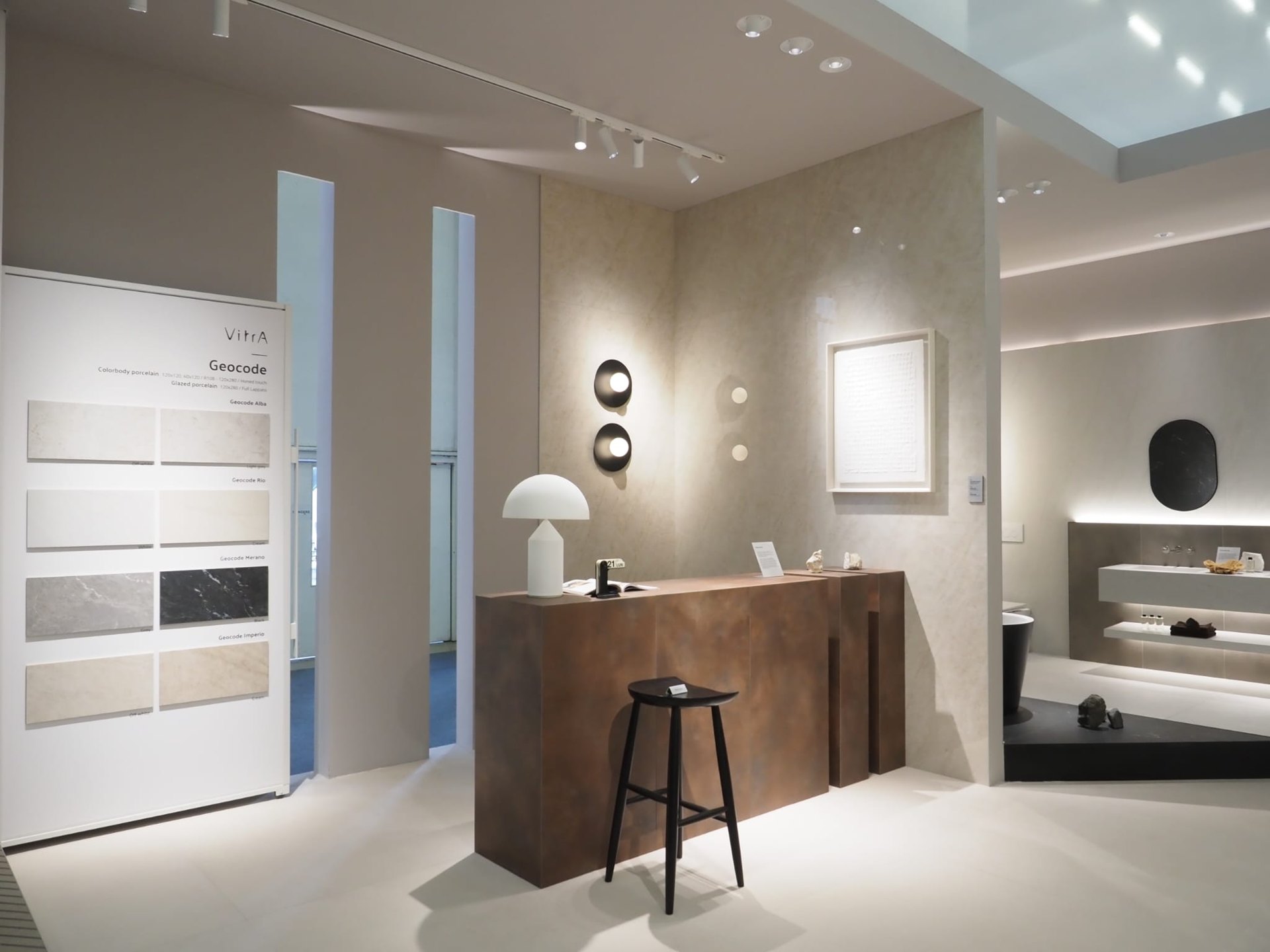
Resincode draws on the porous, mineral-laden texture of natural concrete, combining gentle transitions with layered surface effects to lend contemporary interiors a minimalist, refined and balanced aesthetic. Geocode takes its inspiration from Spanish marble, limestone, gneiss and quartzite, reinterpreting the varied geological heritage of natural stone for ceramic in a contemporary way, and comes in four distinct surface typologies: Alba and Imperio alongside Rio and Merano. Metacode, offered in three distinct finishes coloured copper, gold and iron, brings the subtle shifts of tone and gentle reflections of patinated metal to ceramic, pairing industrial character with refined elegance.
Innovations in Technology
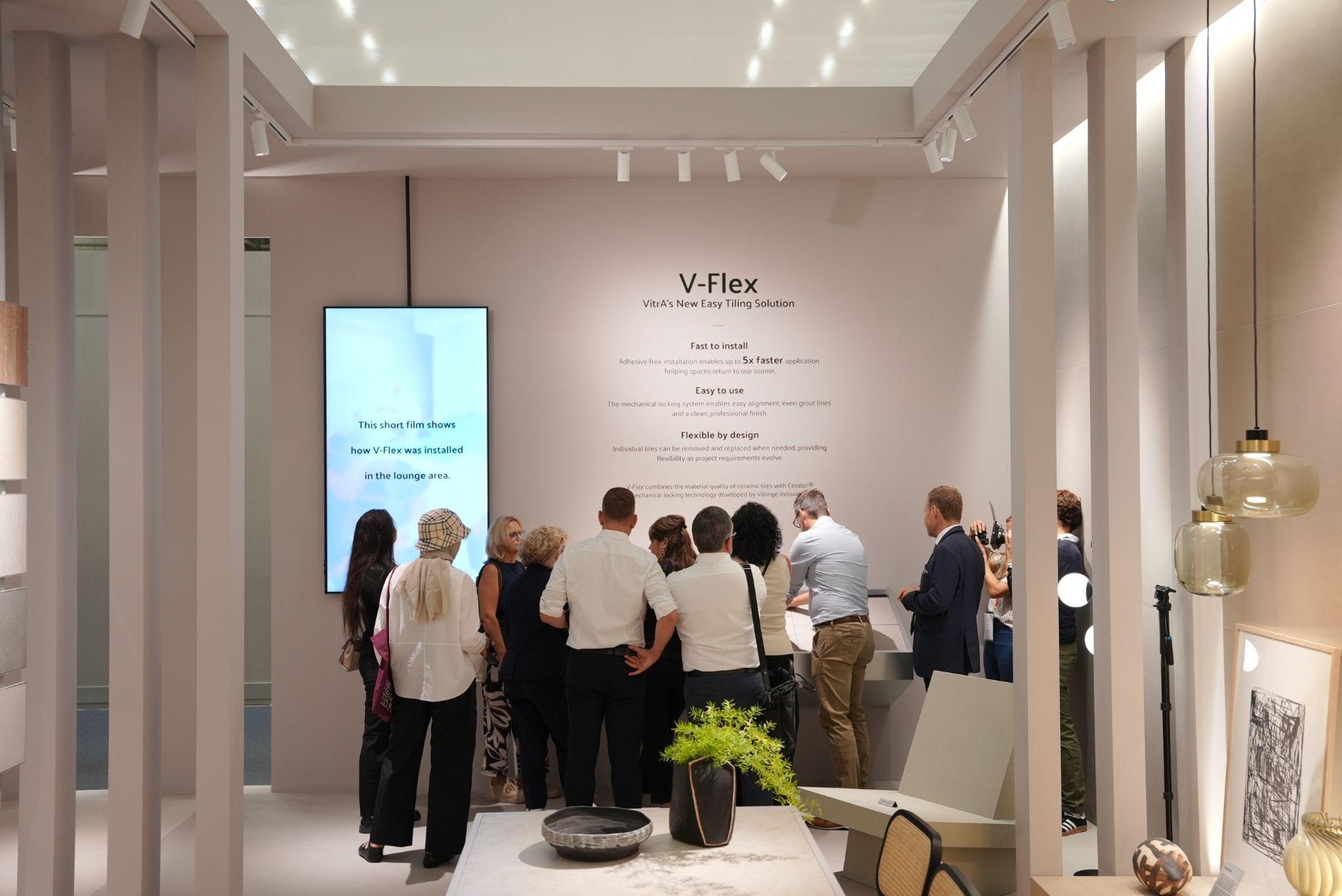
Cersaie 2026 was also where VitrA Tiles unveiled the V-Flex and V-Tone technologies, alongside its new collections.
Using Välinge’s Ceraloc® locking system, V-Flex is a tile installation method that needs no adhesive. Its purpose-designed side profiles let the tiles connect mechanically and, unlike conventional bonded installations, it promises fitting as much as five times faster. It supports accurate alignment, consistent grout lines and a tidy, professional finish. Individual tiles can be lifted out and swapped when required, a significant advantage that simplifies maintenance and repair. Acoustic comfort is a further benefit. V-Flex is advised for shops and store chains, showrooms and offices, hotels, educational buildings and commercial spaces.
Tackling the tonal differences that emerge in ceramic manufacturing, V-Tone keeps colour consistent and preserves design integrity across different surfaces. Integration of the V-Tone technology into VitrA Tiles’ manufacturing lines is still under way.
About VitrA Tiles: Company Profile
Home to three brands, VitrA, Villeroy & Boch and engers, VitrA Tiles is one of Türkiye’s foremost ceramic tile exporters, both to EU markets and across Europe. The business dates from 1991 at Tuzla, Istanbul, and 1992 at Bozüyük, Bilecik, while today its two production facilities employ around 2,000 staff and can produce 31 million m² annually. Its Bozüyük Plant, whose digital transformation and Industry 4.0 work has earned recognition from the Global Lighthouse Network, a World Economic Forum initiative, ranks among the most technologically advanced tile factories worldwide. Marrying sophisticated production with design excellence and sustainability, VitrA Tiles offers joined-up ceramic tile solutions that enrich living spaces across the world.
