

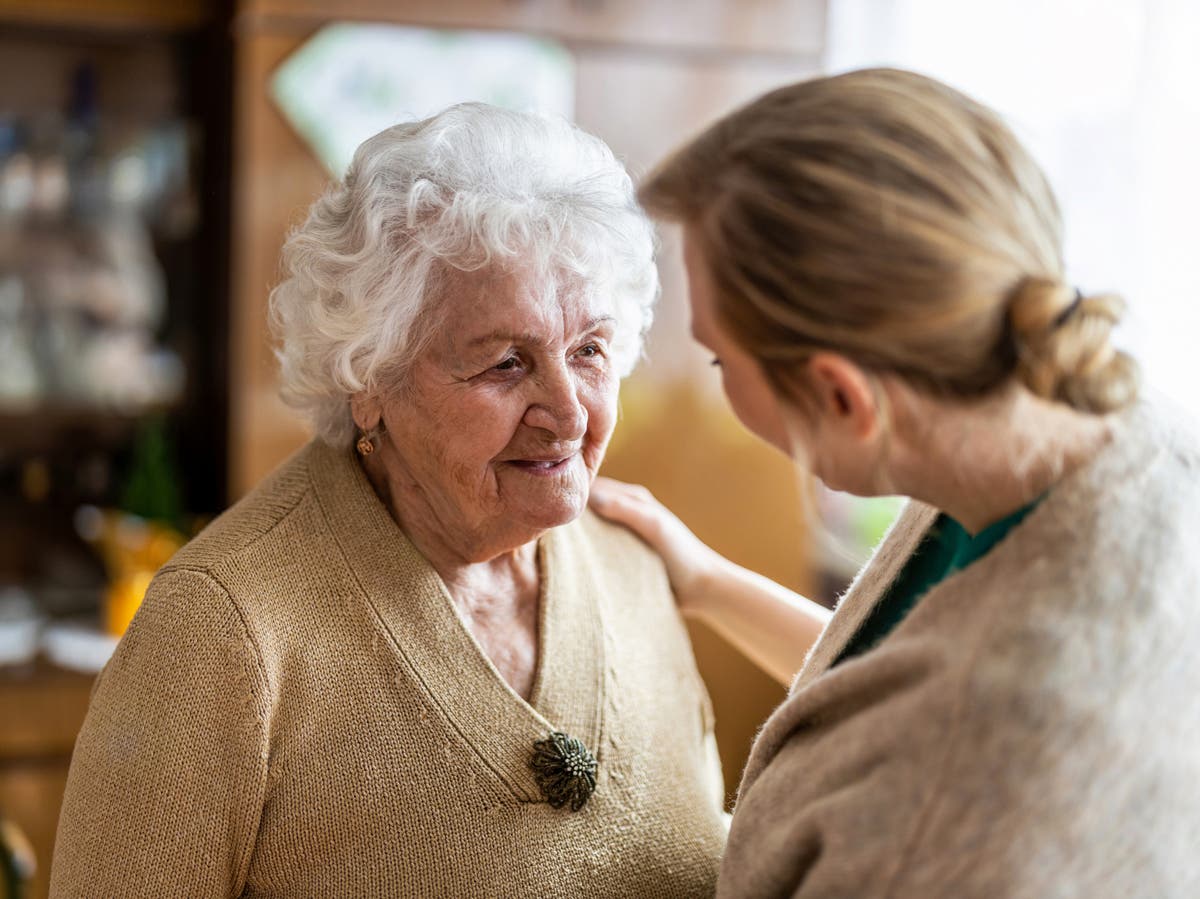

Dementia is a cognitive disorder that affects approximately 900,000.
term “mental illnessIt is not a specific disease. It refers to a set of symptoms that are caused by a disease like Alzheimer’s.
It is most common among the elderly. One-in-14 people over the age 65 are affected, while one-in-six over the age 80 are affected. Women are more likely than men to be affected.
Although everyone experiences dementia differently, the most common symptoms include memory problems, cognitive abilities and communication.
What are the most common signs of dementia?
Five of the most common symptoms are:
- Problems with decision making, thinking
- Difficulty understanding time, place, and how to get up in the morning to go to work.
- Struggle to communicate effectively.
- They repeat themselves a lot, making it difficult to follow a conversation.
- Changes in personality, behavior, mood swings and feeling anxious or depressed
These symptoms are similar to those that are associated with natural decline caused by the excesses in aging. This makes it difficult to diagnose dementia.
A study released earlier this year by the Alzheimer’s Society found that one in four Alzheimer’s patients goes. At least two years before their condition is finally diagnosed.
The charity conducted a survey of 1,019 dementia patients and their caregivers to find out their experiences with making a diagnosis. They found that people often confuse their symptoms with normal aging, which is a condition that affects 42 percent of those diagnosed.
Nearly 26 percent of respondents indicated that they hadn’t been diagnosed in the past two years. Another quarter stated that they had reached crisis before being diagnosed.
“Asking the exact same question over and again isn’t considered getting old. It’s called disease,” stated Kate Lee, executive director at the Alzheimer’s Society. This organization encourages anyone who is concerned about their loved ones’ apparent decline to speak up.
“If you’re worried about yourself or someone you love, come to the Alzheimer’s Association for support. Today’s shocking results from our survey show how dangerous it can become to try to manage dementia symptoms on your own and not seek help.
“Yes, getting a diagnosis can be daunting – I know I was terrified when my mother was diagnosed. But it will be worth it – more than nine in 10 people with dementia have told us they have benefited from a diagnosis. It has given them crucial access to treatment, care and support,” and valuable time to plan ahead.
“With the pandemic causing diagnosis rates to plummet, it is more important than ever to seek help. You don’t have to face dementia alone, we are here to support all those affected.”
What are the early signs and symptoms of dementia in older people?
The Alzheimer’s Society, in collaboration with the Royal College of Practitioners, has created a new checklist to help people identify signs of dementia and encourage them seek treatment.
Statistically, dementia is more common in women than in men
(Getty/iStockphoto)
It involves assessing whether people have memory issues such as difficulty finding the right words, repeating questions or phrases; experiencing problems in everyday life such as struggling paying bills or getting lost out in public; and behavioral or emotional problems like being aggressive, withdrawn, or behaving inappropriately.
Dr. Jill Rasmussen is the Clinical Representative for Dementia. The Royal College of General PractitionersHe stated, “It is crucial for patients and their families that conversations regarding the possibility of diagnosing and treating dementia are timely and efficient.
“The new checklist developed with the Alzheimer’s Society is a simple and free tool to help patients and their families clearly articulate their symptoms and concerns during often time-pressed appointments.
“This resource can make a real difference in identifying people who need referral for a more detailed evaluation and diagnosis of their problems.
“We ask anyone with dementia symptoms to complete the checklist and share it in writing with their primary care team.”
The checklist is available online over hereFind out more about dementia at Alzheimer’s AssociationThen there’s the NHS websites.
Source link
[Denial of responsibility! wideworldmag.co.uk is an automatic aggregator of the all world’s media. In each content, the hyperlink to the primary source is specified. All trademarks belong to their rightful owners, all materials to their authors. If you are the owner of the content and do not want us to publish your materials, please contact us by email – at wideworldmag.co.uk The content will be deleted within 24 hours.]
