
Thursday, December 15, 2022 at 12:30 PM
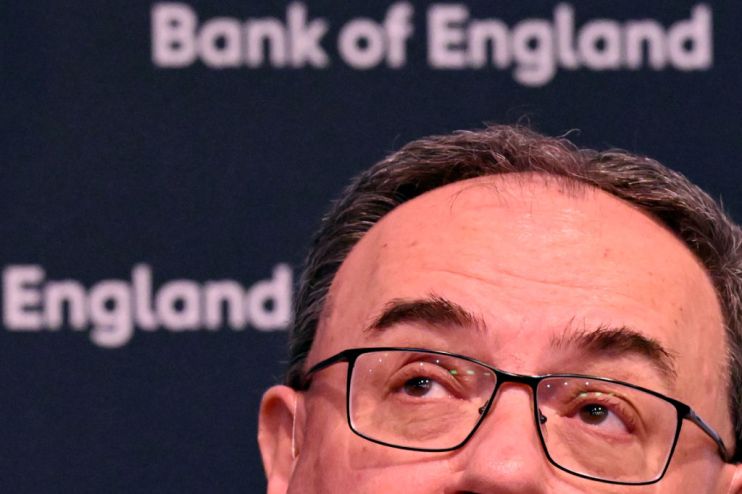
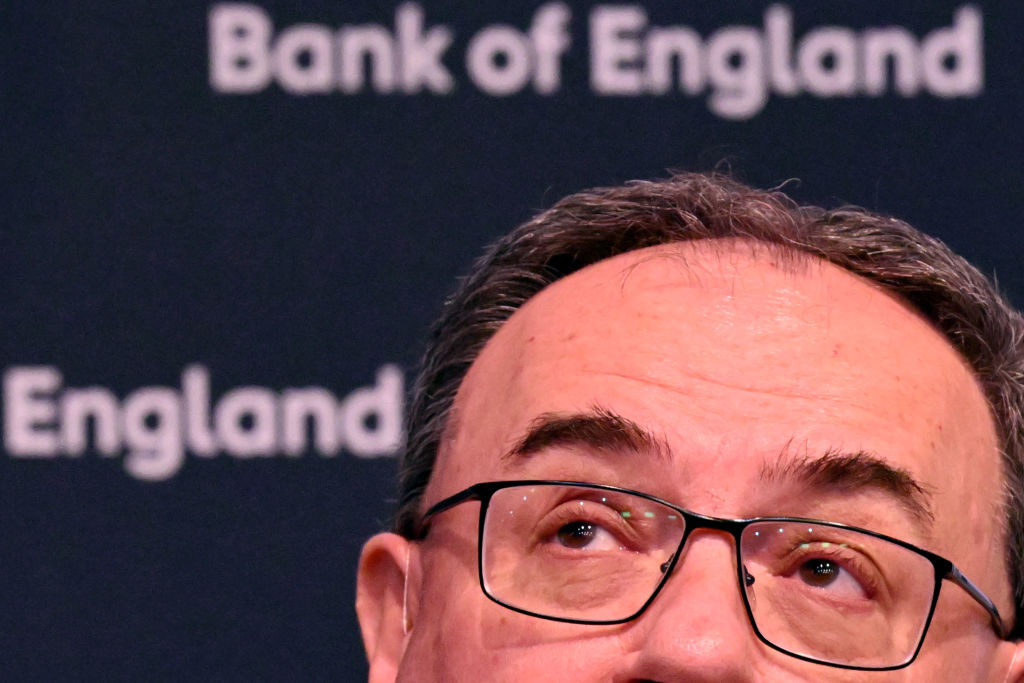
Today, the Bank of England sent interest rates to their highest levels since October 2008, but it slowed down the pace of increases to keep a looming recession from becoming more severe.
The Threadneedle Street Monetary Policy Committee voted 6-3 for a 50-basis point increase to 3.5%, down from last month’s 33-year high 75 points.
This was in line with market expectations. It means that the bank has now increased borrowing costs nine times consecutively.
Today marks one year since the bank held its first rally in this cycle rally. This is a 15-point improvement on the record low of 0.1 per cent.
Governor Andrew Bailey voted for a 50-point increase. The rest of the Monetary Policy Committee had to abandon the stimulus policy that had supported the British economy after the financial crisis. They were forced to tighten aggressively in order to control the historical high inflation.
Despite the rapid rise of interest rates, the bank stated that there was evidence of workers asking for large wage increases and companies raising prices quickly which could lead to “persistent inflation”.
The bank stated today that it would “respond aggressively to” price increases.
The Bank of England raised interest rates aggressively in this year’s banking crisis

Swati Dhingra, and Silvana Tenreyro were both members of the MPC. Catherine Mann supported a larger 75-point jump.
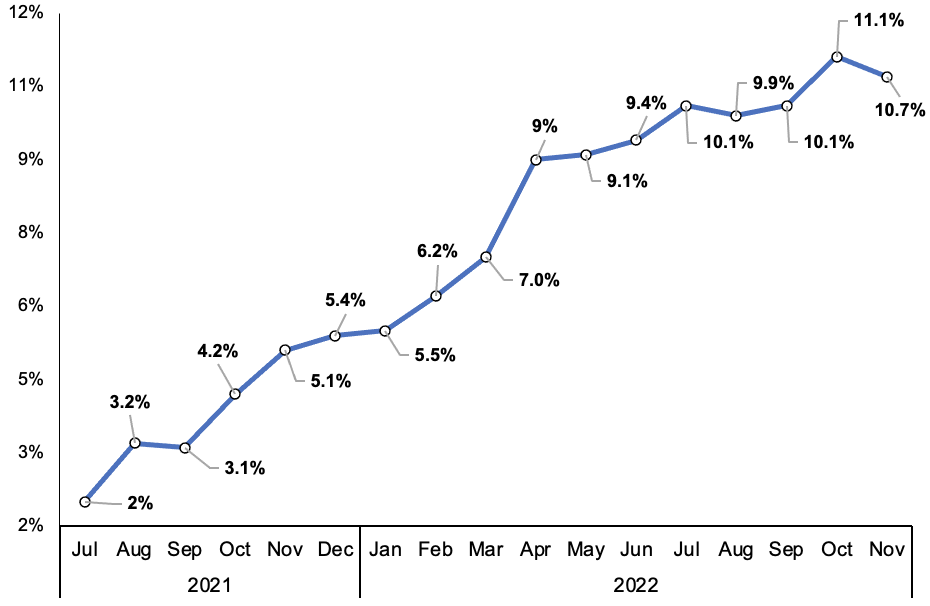
Although prices rose 10.7 percent in November, they were still lower than October’s 11.1 percent.
Economists now believe that rising inflation has passed its peakThe rate will continue to decline in 2023, but it is not clear if it will return at the bank’s 2 per cent target. This target has been maintained on average since 1997 when the bank became independent.
In an effort to reduce price rises, policymakers make it more difficult for businesses and households to borrow and less attractive to save.
The theory is that the Bank’s nine consecutive increases in interest rates should dampen demand and raise rates.
Economists think that inflation has passed its peak
To avoid putting too much pressure on households or firms, the Bank and other monetary authorities have resisted sharp increases in interest rates. This is to ensure that inflation does not rise beyond what is necessary to achieve its target.
Britain is expected to enter its longest period of recession in a century. This is due in part to households cutting back spending to combat high inflation which has eroded incomes.
The Bank is concerned about making real income pressure worse by raising interest rate too much and causing unneeded long-term damage for the UK economy.
The US Federal Reserve saw a slowdown last night after hitting a record of 75 points, 50 points and then four consecutive highs. The European Central Bank will likely follow suit later today.
Source link
[Denial of responsibility! wideworldmag.co.uk is an automatic aggregator of the all world’s media. In each content, the hyperlink to the primary source is specified. All trademarks belong to their rightful owners, all materials to their authors. If you are the owner of the content and do not want us to publish your materials, please contact us by email – at wideworldmag.co.uk The content will be deleted within 24 hours.]
