


Monday, December 12, 2022 6:30 a.m.
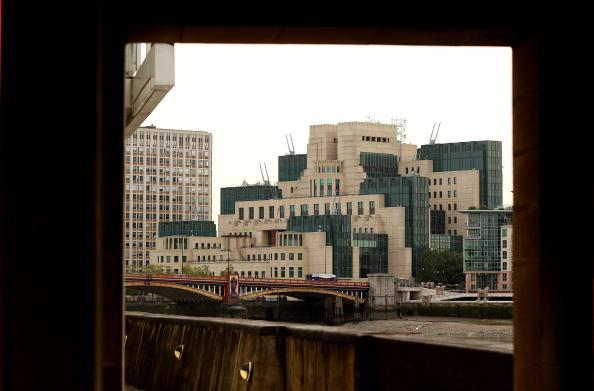
We don’t know much about our intelligence agencies. When asked by Harold Macmillan in 1963 about Kim Philby’s escape to Moscow, he stated that secrecy was the British way. The old actor-manager woreily replied, “It’s dangerous and not in the national interest of our country to discuss these matters.” The stone wall was the best fortification.
The 1994 Intelligence Act lifted the veil. The 1994 Intelligence Act formally established the Secret Intelligence Service, also known as MI6, and 85 years later, it was the first acknowledgment by the government of its existence. Sir Colin McCall, the first person to be named as head of MI6 and has been in that position since 1989. He is known simply as ‘C.’ in the intelligence community. Sir John Sawyers, a career diplomat, was the first to talk candidly about the service.
C is the only MI6 member who has been officially named. The identities of the remaining 2,500 serving officers, including their friends and families, are not known. They work under the cover of civil servants from the State Department. The Financial Times has provided more information about the number of super spies working for women over the past week. We hear for the first-time, in general, about the experiences of the four Directors-General reporting to C.
It is amazing that such secrecy exists in this age of open source intelligence, freely available data, and open source intelligence. MI6 sees this as the ideal situation. There should be as little disclosure as possible. C (currently Richard Moore who has a twitter account) will bear the burden of public sharing. It is not however the comprehensive approach taken by intelligence services. The Director of the Central Intelligence Agency (currently William J.) is the American intelligence agency. Some of his officers may list their jobs publicly on job applications, resumes, and the like. They may also apply for permission to reveal their employer after they leave the agency.
The Americans are not the only ones. Bernard Aime is the Directorate-General for External Security in France, which is France’s foreign intelligence agency. He and some of its staff are openly revealing their identities. It even has a spokesperson. The German Bundesnachrichtendienst (BND) determines its high command and number of officers. Is secrecy an operational necessity or a national whim?
Security agencies must keep their secrets. The address of the service contains the directory. In certain circumstances, officers may be required to conceal their identities. It would be dangerous and counterproductive for all employees to be listed on a directory. There is a tendency to reticence within some UK government institutions, as though information were a currency that would automatically lose value if it was disclosed.
In recent years, MI6 has put a lot of effort into improving its image. McCall called James Bond “the greatest recruiting sergeant in all of the world,” but the 007 films did not portray the true nature of the service. It tried to recruit people from diverse backgrounds, overcoming the stereotype of spying as a public school and Oxbridge-educated, overachievers who live a brutal life. To be successful, MI6 must have the support and endorsement of the public. The French found that the DGSE was more transparent and gained weight in bureaucratic battles within their government. MI6 may need to adopt the same approach.
One of the most well-known spy agencies in the world is the Secret Service. It is particularly strong at human intelligence – the gathering and processing of information by ground agents – and has made significant inroads in the Provisional IRA during the 1980s and early 90s. It must be flexible and adaptable and benefit from the UK’s diverse population and the skills of top-ranked universities and companies.
The Five Eyes Alliance membership with Australia, Canada and New Zealand, as well as the expertise of GCHQ, are a burden on us. Our political educators and professionals need to remain forward-looking, innovative, and able to use our intelligence to support international economics, trade, and policy in a post-Brexit world.
Source link
[Denial of responsibility! wideworldmag.co.uk is an automatic aggregator of the all world’s media. In each content, the hyperlink to the primary source is specified. All trademarks belong to their rightful owners, all materials to their authors. If you are the owner of the content and do not want us to publish your materials, please contact us by email – at wideworldmag.co.uk The content will be deleted within 24 hours.]
