


Tue, Dec 06, 2022 8:10 PM

After the government shift, offshore winds are finally expected to rebound. Downing Street pledged to relax building restrictions for new turbines after Tory MPs rebelled.
New farms will still need to be approved by the local authorities, but rules that require new turbines to go on land already designated for them will be changed.
The settlement administration will start the wild wind consultation. It will also determine the method of measuring local opinion. It will be completed by next April.
Communities that support them may be eligible for lower bills for living near the new turbines. This is a practice Octopus, an energy company, has already established.
This follows 30 deputies threatened to vote on an amendmentParlament passes major planning legislation
Simon Clarke, a former housing minister, introduced this amendment and Liz Truss, former prime ministers, supported it.
24 other MPs, including Sir John Hayes, a senior MP, wrote Rishi to Sunak, urging him not to abandon the ban.
From the actual ban, a wild wind blew.
Onshore wind development in the UK has been severely curtailed since 2015.
This was in response to the ex-prime minister’s push for so-called green bullshit to appease his party’s right before the 2015 elections.
Since then, wind farms have applied for approval to continue their development – sites that require approval in plans that residents have created with local authorities across England.
Developers must also prove that the proposed location is in an area designated as renewable energy in a local planning.
These requirements have allowed local authorities make decisions about what buildings to build in their community, but at the cost of onshore wind generator, which has stagnated eversince.
According to Dr Rebecca Windemeier, University of the West of England, only 11% of England’s local authorities have identified areas for renewable development in their plans.
her research It shows that the maximum proved capacity of wind farms (in megawatts), granted planning permission between 2016-2021 was only 2.6% of those granted permission between 2009 and 2014.
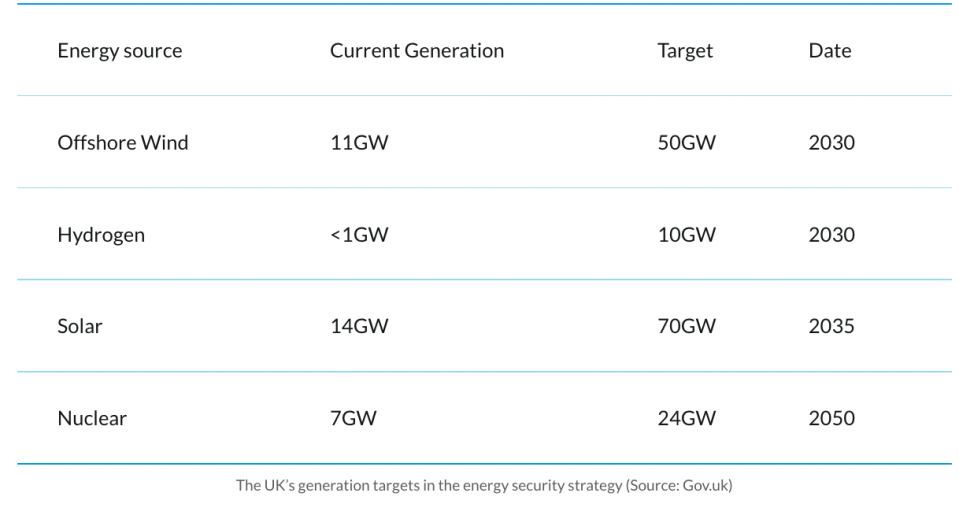
It is also excluded in specific generation targets of the country’s energy safety strategy, even though it produces 14 GW more domestically than the 11 GW generated abroad.
Sam Hall, director at the Environmental Conservation Network, said: Am cityThe country will have more security of supply and it will also provide cleaner, cheaper energy.
He said: “I am delighted that the government is ending the de facto ban on new onshore wind in England, and opening up the clean, cheap energy source that communities agree on. This is a great step to improve our energy security, and reduce people’s monthly bills. Communities have a real say without making it impossible to approve new projects.”
The House of Commons will return the bill next week. It will include watered down housing targets as a result of a separate revolt by Tory MPs.
Source link
[Denial of responsibility! wideworldmag.co.uk is an automatic aggregator of the all world’s media. In each content, the hyperlink to the primary source is specified. All trademarks belong to their rightful owners, all materials to their authors. If you are the owner of the content and do not want us to publish your materials, please contact us by email – at wideworldmag.co.uk The content will be deleted within 24 hours.]
