

Mon, Dec 05, 2022, 12:59 am
This week is seventy years ago. Five days of toxic air brought London halt for five days. There have been cancellations of trains and cancellations of cars and flights.
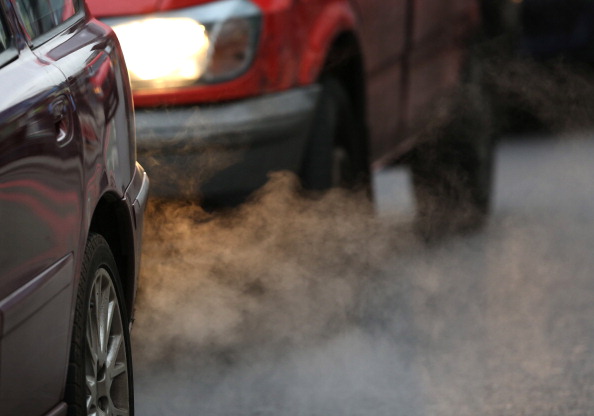
The “Great Smog” — as it became known — descended upon the capital, as noxious smoke and fumes from coal fires, vehicles, and factories mixed with the mist and haze.
Initial estimates indicate that around 4,000 people died in immediate aftermath. Another 8,000 people died during the next year, according to reports.
The smog was a clear indicator that poor air quality can be deadly and economically harmful.
This terrible event inspired radical action that resulted into massive improvements. The City of London Corporation was the first governing authority to declare the city a smoke-free zone in 1954. Two years later, the Clean Air Act was adopted by the United Kingdom. It allowed local authorities to do the same.
We have taken bold, practical, and innovative actions over the past 70-years to improve the air quality in the Square Mile area and across London.
We’ve reached a key target. More than 90 percent of the area will meet current nitrogen dioxide targets in 2025. But, we know that more must be done.
This fight must be led by both residents and businessmen. We have worked together to bring about a low-emissions neighborhood program, including new electric vehicle charging points, greener infrastructure and a zero emission street pilot.
We also work closely with building owners and tenants in new developments along the Square Mile to reduce traffic congestion and harmful emissions. This innovative approach can be seen at 22 Bishopsgate, the city’s tallest, which is an example of our innovative approach.
We have been continuing to ban new diesel vehicles in our fleet as an alternative to a cleaner market. We also lead a London campaign against drivers who leave their engines running while they are parked.
The CityAir app, which we developed, provides over 35,000 Londoners low-pollution routes to travel and offers advice and alerts when there is high air pollution. Our emissions-based parking fees on street parking reward drivers of low-emission vehicles while targeting high-polluting transport with higher rates.
The results are very good. This year, data from two Square Mile sites showed a 40% improvement of air quality. Mapping for Change commissioned the City Corporation to run the Science in the City air-quality monitoring project. It compared data on nitrogen dioxide with numbers from 2013 in order to determine if local air quality has improved.
This is a great example of what can be achieved when Square Mile residents work with the City Corporation.
Improved air quality will not only have obvious health benefits but also increase our appeal as the best place to live, work, and visit in the world.
London and City still have a lot of work to do, but we are certain that we are on the right track. We can all work together to make sure The Great Smog is a distant memory, and we create a brighter, cleaner tomorrow.
Source link
[Denial of responsibility! wideworldmag.co.uk is an automatic aggregator of the all world’s media. In each content, the hyperlink to the primary source is specified. All trademarks belong to their rightful owners, all materials to their authors. If you are the owner of the content and do not want us to publish your materials, please contact us by email – at wideworldmag.co.uk The content will be deleted within 24 hours.]
